
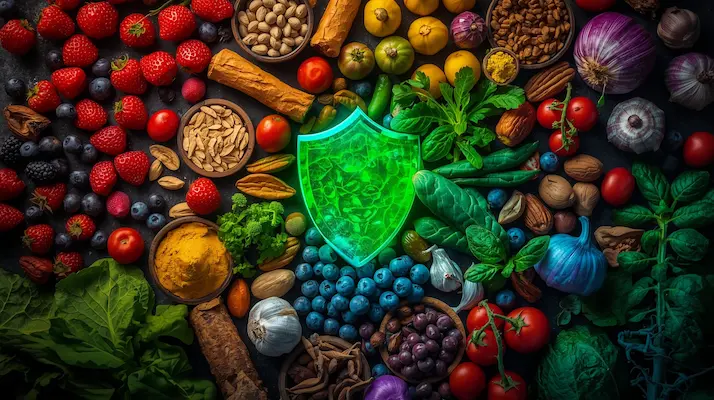
Where Food Becomes Function — and Every Ingredient Has a Purpose
Anti-Cancer Foods: What Scientific Research Actually Shows
Anti-cancer foods are often discussed in vague terms — “eat more vegetables,” “avoid processed food,” “add antioxidants.” But modern nutrition science now tells a more precise story.
Across Asia and other traditional food cultures, certain plants, spices, and whole foods have long been consumed not as supplements, but as part of daily cooking. What recent research confirms is not folklore — but mechanism. These foods contain bioactive compounds that interact with inflammation pathways, oxidative stress, and cellular signaling linked to cancer development.
Today, scientists no longer describe these ingredients as simply “healthy.” They are studied as functional foods — dietary components with measurable biological effects. At the same time, chefs and food professionals are translating this research into real meals, creating a rare intersection between cultural tradition and evidence-based nutrition.
This article explores anti-cancer foods supported by scientific research, explaining how they work, where they come from, and how they are realistically consumed — without exaggeration or medical claims.
This article reflects insights from Ismail Fahmi, A.Md.Par., a hospitality graduate focused on restaurant operations and culinary nutrition systems. His work explores how traditional ingredients and modern menu strategy intersect in real food businesses.
As a result, this article explores the top anti cancer foods validated by modern scientific research, breaking down their molecular profiles, culinary roots, and practical ways to incorporate them into daily meals.
Ingredient Molecular Breakdown
- Turmeric (Curcumin)
Key compounds: Curcumin, demethoxycurcumin
Mechanisms:
Suppresses NF-κB (a major inflammation pathway)
Inhibits tumor angiogenesis
Reduces oxidative stress by boosting endogenous antioxidants - Broccoli & Cruciferous Vegetables
Key compounds: Sulforaphane, indole-3-carbinol, glucoraphanin
Mechanisms:
Activates phase-II detox enzymes
Encourages apoptosis (programmed cell death of abnormal cells)
Research shows sulforaphane disrupts cancer stem cell growth - Berries (Blueberry, Raspberry, Strawberry)
Key compounds: Anthocyanins, ellagic acid, quercetin
Mechanisms:
Potent DNA-protective antioxidants
Neutralize free radicals
Reduce proliferation of mutated cells - Green Tea
Key compounds: EGCG (Epigallocatechin gallate)
Mechanisms:
Inhibits tumor growth signaling
Supports repair of damaged DNA
Improves immune surveillance - Garlic & Allium Family
Key compounds: Allicin, DATS (diallyl trisulfide), SAMC
Mechanisms:
Enhances detoxification enzymes
Slows tumor cell replication
Exhibits antimicrobial and anti-inflammatory effects - Tomatoes
Key compound: Lycopene
Mechanisms:
Reduces oxidative stress
Protects cellular lipids and DNA
Particularly protective for prostate tissue - Mushrooms (Shiitake, Maitake, Reishi)
Key compounds: Beta-glucans, lentinan
Mechanisms:
Boost natural killer (NK) cell activity
Strengthen immune response against abnormal cells
Anti-inflammatory and apoptosis-inducing
Culinary Tradition Bridge
- Turmeric anchors Indian and Southeast Asian dishes—commonly paired with fats like coconut milk, which enhances curcumin absorption.
- Broccoli and cabbage dominate East Asian and European peasant cuisines, often steamed or stir-fried lightly to preserve glucosinolates.
- Berries were historically foraged in Nordic and Native American diets, consumed fresh or dried for winter medicine.
- Green tea is revered in Japan and China as a daily longevity ritual.
- Garlic has been a medicinal staple from the Mediterranean to the Middle East, often eaten raw, crushed, or slow-cooked.
- Tomatoes form the backbone of Mediterranean dishes, where slow simmering enhances lycopene bioavailability.
- Medicinal mushrooms have been used in Traditional Chinese Medicine for centuries, especially in soups and tonics.
These culinary traditions align seamlessly with modern scientific discoveries—an elegant validation of ancestral intuition.
Modern Research Summary
Scientific literature across oncology, molecular biology, and nutritional biochemistry consistently highlights these foods as protective due to:
- Reduced oxidative stress
→ Prevents DNA, cell membrane, and mitochondrial damage. - Downregulation of inflammatory pathways
→ Chronic inflammation is a precursor to tumor development. - Inhibition of tumor initiation and proliferation
→ Compounds block signals that allow abnormal cells to replicate. - Enhanced detoxification
→ Cruciferous vegetables and alliums help neutralize carcinogens. - Immune system activation
→ Foods like mushrooms and green tea stimulate NK cell activity.
While these foods are not cures, their biochemical actions create a body environment less prone to mutation and chronic disease.
How to Apply These Foods Daily
Furthermore, the scientific mechanisms above translate easily into daily cooking techniques.
Chef-Level Practical Application
1. Turmeric Absorption Booster Broth
Prep time: 5 minutes
Cook time: 15 minutes
Ingredients:
- 1 tsp fresh turmeric, grated
- 1 cup bone broth or vegetable broth
- 1 pinch black pepper
- 1 tsp olive oil or coconut oil
Method:
- Heat broth over medium flame for 10–12 minutes.
- Stir in turmeric and olive oil.
- Add a small pinch of black pepper (piperine enhances curcumin absorption up to 2000%).
- Simmer for 2–3 minutes, not boiling.
Chef Note:
Do not overheat turmeric; excessive heat destroys curcumin. Use fats (oil/milk) to enhance absorption.
2. Perfect Sulforaphane Broccoli
Prep time: 3 minutes
Cook time: 3 minutes
Ingredients:
- 1 cup broccoli florets
- 1 tbsp water
- 1 tsp sesame oil or olive oil
- 1 small garlic clove (optional)
Method:
Option A – Steam:
- Place broccoli in a steamer basket.
- Steam for exactly 3 minutes until vibrant green.
Option B – Stir-fry:
- Heat sesame oil in pan.
- Add broccoli + 1 tbsp water.
- Cover for 2 minutes, uncover, stir 1 minute.
Chef Note:
Overcooking destroys glucoraphanin.
For maximum sulforaphane: cut broccoli 40 minutes before cooking.
3. Berry Trio Antioxidant Bowl
Prep time: 5 minutes
Cook time: none
Ingredients:
- ¼ cup blueberries
- ¼ cup strawberries (sliced)
- ¼ cup raspberries
- ½ cup Greek yogurt or chia pudding
- 1 tbsp oats or nuts
Method:
- Place berries in a chilled bowl.
- Add yogurt or pre-set chia pudding.
- Top with oats or crushed nuts.
- Enjoy immediately to preserve vitamin C and anthocyanins.
Chef Note:
Use frozen berries if fresh are unavailable — polyphenols remain intact.
4. EGCG-Optimized Green Tea
Prep time: 1 minute
Brew time: 2 minutes
Ingredients:
- 1 tsp green tea leaves
- 200 ml water (70–80°C)
Method:
- Boil water then cool 1–2 minutes to reach 70–80°C.
- Pour over tea leaves.
- Steep 2 minutes, then remove/strain.
Chef Note:
Boiling water degrades EGCG by 30–80%.
Do not steep longer than 3 minutes to avoid bitterness.
5. Maximum-Allicin Garlic Prep
Prep time: 5 minutes
Cook time: depends on dish (see note)
Ingredients:
- 1–2 cloves garlic
- 1 tsp olive oil (optional)
Method:
- Crush or chop garlic finely.
- Let it rest for 10 minutes—this activates allicin through alliinase.
- Add at the end of cooking for best potency or eat raw in small amounts.
Chef Note:
Cooking garlic immediately after cutting destroys allicin formation.
6. Lycopene-Enhanced Tomato Confit
Prep time: 3 minutes
Cook time: 30–40 minutes
Ingredients:
- 2 cups cherry or Roma tomatoes
- 3 tbsp olive oil
- 1 pinch salt
Method:
- Place tomatoes in a small pan with olive oil.
- Cook on low heat for 30–40 minutes until soft and glossy.
- Use as topping for eggs, toast, pasta, or salads.
Chef Note:
Slow-cooking with oil increases lycopene bioavailability by up to 4×.
7. Immunity Mushroom Blend
Prep time: 3 minutes
Cook time: 10 minutes
Ingredients:
- 1 cup mixed mushrooms (shiitake, maitake, enoki)
- 1 tsp butter or sesame oil
- 1 tsp soy sauce or salt
Method:
- Heat oil in pan.
- Add mushrooms, cook for 5 minutes until water evaporates.
- Add seasoning and stir another 2–3 minutes.
- Serve with rice, noodles, or ramen.
- Optional: blend dried mushroom powder into hot drinks.
Chef Note:
Do not wash mushrooms under running water—wipe with damp cloth to avoid sogginess.
Safety & Contraindications
- Turmeric/curcumin:
- Avoid high doses if on blood thinners or gallbladder issues.
- Green tea extract supplements:
- High concentrations may affect liver enzymes; tea beverages are safer.
- Garlic:
- Can increase bleeding risk when combined with anticoagulants.
- Cruciferous vegetables:
- May interfere with thyroid function in those with severe iodine deficiency (rare).
- Medicinal mushrooms:
- Immunocompromised patients should consult healthcare providers before using extracts.
These foods support health, but should not replace medical cancer treatment.
Who Benefits Most
- Individuals with a family history of cancer
- People with high inflammatory lifestyles (stress, pollution exposure, smoking history)
- Adults seeking preventative nutrition
- Those recovering from chronic oxidative stress
- Individuals transitioning to a plant-forward diet
Lifestyle Integration
- Build a daily anti-inflammatory plate: 50% vegetables, 25% whole grains, 25% protein.
- Replace sugary snacks with berries or antioxidant fruits.
- Add one cruciferous vegetable serving per day.
- Drink 1–2 cups of green tea instead of soda or sweetened beverages.
- Make mushroom-based broths part of weekly cooking.
- Choose olive oil and turmeric in morning eggs or scrambles.
Small shifts, done consistently, transform long-term health resilience.
Mini How-To: Anti-Cancer Everyday Routine
- Breakfast: Green tea + berry yogurt bowl
- Lunch: Broccoli stir-fry with garlic and tofu
- Snack: Cherry tomatoes or fresh raspberries
- Dinner: Tomato-based stew with turmeric and mushrooms
- Before sleep: Warm herbal tea with a pinch of turmeric
Explore Related Guides:
- Indonesian Spices Scientifically Proven to Reduce Cancer Risk
Explore the powerful chemistry inside turmeric, ginger, cloves, and galangal. - Asian Diet Plan for Type 2 Diabetes Management
A practical framework inspired by clinical and culinary knowledge.
FAQ: Top anti cancer foods
Foods with the strongest evidence include turmeric, cruciferous vegetables (broccoli, cabbage, kale), berries, green tea, garlic, tomatoes, and medicinal mushrooms. These foods contain bioactive compounds that reduce oxidative stress, inflammation, and abnormal cell growth.
Broccoli, kale, and cabbage contain glucosinolates that convert into sulforaphane—one of the most researched anti-cancer molecules. It activates detox enzymes, reduces DNA damage, and supports healthy cell turnover.
Yes, many studies show curcumin (the active compound in turmeric) may reduce inflammation, inhibit tumor growth signals, and protect cells from oxidative stress. Combining turmeric with black pepper increases absorption significantly.
Slow-cooking tomatoes with olive oil increases lycopene bioavailability up to four times. Lycopene is known for its strong antioxidant and anti-inflammatory properties.
Green tea contains EGCG, a catechin with proven anti-inflammatory and anti-proliferative effects. Brewing at 70–80°C preserves its antioxidant activity.
Berries contain anthocyanins, ellagic acid, and vitamin C, which protect DNA from oxidative stress and reduce inflammation. Studies show they help reduce the growth of abnormal cells.
Yes. When crushed and rested for 10 minutes, garlic forms allicin — a sulfur compound known to inhibit cancer cell proliferation and boost detox enzymes.
Daily inclusion is ideal. A practical approach is:
1 cup cruciferous vegetables
1–2 servings berries
1 serving tomatoes
1–2 cups green tea
Consistency matters more than quantity.
No. They support prevention and overall cellular health but should not replace medical treatment. They serve as complementary nutrition, not curative therapy.
People with blood-thinning medication (garlic, turmeric), liver sensitivity (green tea extracts), or thyroid issues (excessive cruciferous vegetables) should consult a healthcare provider.
Premium ALTAFNB Conclusion
Scientific research continues to confirm what traditional cuisines have long understood: certain foods contain potent molecules that defend the body from oxidative stress and cellular damage. Therefore, by integrating ingredients like turmeric, berries, cruciferous vegetables, green tea, garlic, tomatoes, and medicinal mushrooms into daily meals, we naturally create a nutritional environment that supports long-term resilience.
Ready to Elevate Your Culinary Lifestyle?
Explore science-based insights and chef-level strategies to transform your daily eating habits.
Healthy Culinary Lifestyle Guide
Explore the Full Restaurant Knowledge Hub
Discover research-driven insights on prime cost, restaurant finance, operational systems, culinary nutrition, and applied health perspectives across modern food businesses.
Visit the Knowledge Hub