
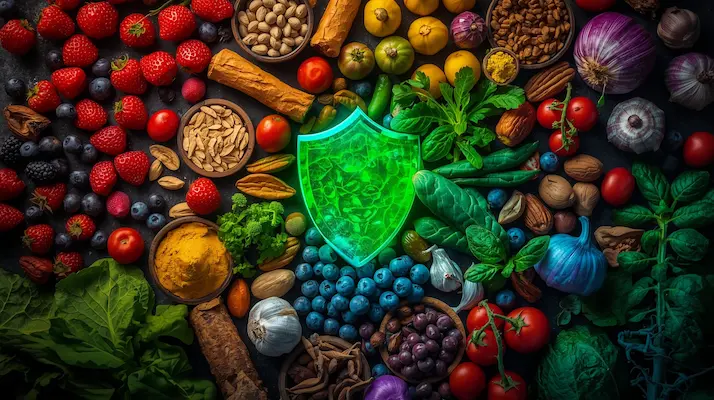
Where Food Becomes Function — and Every Ingredient Has a Purpose
A practical framework inspired by clinical and culinary knowledge
Asia is home to some of the world’s most diverse cuisines — from the spice-rich traditions of Indonesia to the herbal soups of China and the vegetable-forward dishes of Japan. Historically, Asian food culture emphasized whole grains, plant proteins, greens, sea vegetables, and gentle cooking methods.
But the modern shift toward refined starches, deep-fried foods, and sugary beverages has contributed to a sharp rise in type 2 diabetes across the region.
This guide blends clinical nutrition, Asian heritage, and chef-level technique to create a culturally aligned diet plan that stabilizes glucose without sacrificing flavour.
At ALTAFNB – Konsultan F&B Premium Indonesia, food science meets culinary artistry. Excellence Served. Precision Delivered.
Ingredient Molecular Breakdown
- Whole Grains (Brown Rice, Red Rice, Barley, Oats)
Lower glycemic index vs. white rice
High in fibre → slows glucose absorption
Rich in beta-glucan (especially oats) for improved insulin sensitivity - Lean Proteins (Tofu, Tempeh, Fish, Chicken Breast)
Support satiety → reduce post-meal spikes
Tempeh provides probiotics + protein for metabolic stability
Fish offers omega-3s which reduce inflammation - Non-Starchy Asian Vegetables
Bok choy, water spinach, broccoli, cabbage, eggplant, bitter melon
High phytonutrient content → improves metabolic pathways
Bitter melon shown to help glucose regulation - Healthy Fats (Olive Oil, Sesame Oil, Coconut in Moderation)
Improve insulin sensitivity
Slow gastric emptying for balanced glucose curves - Fruits with Lower Glycemic Load
Berries, citrus, guava, papaya, kiwi
Rich in polyphenols & vitamin C → reduces oxidative stress - Herbal & Functional Ingredients
Turmeric, ginger, cinnamon, garlic, green tea
Support anti-inflammatory pathways linked to insulin resistance
Culinary Tradition Bridge
Asian culinary wisdom naturally supports diabetes management:
- Japan’s “washoku” emphasizes vegetables, fish, and small portions.
- Indonesia traditionally relied on roots, legumes, leafy greens, and grilled proteins.
- China incorporates soups and steamed dishes that reduce caloric density.
- India uses spices like turmeric and fenugreek with metabolic benefits.
By spotlighting these authentic practices — and reducing modern ultra-processed habits — we create a diabetes-friendly plan rooted in heritage.
Modern Research Summary
Evidence consistently shows:
- High-fibre diets reduce A1c and fasting glucose.
- Replacing refined grains with whole grains improves insulin sensitivity.
- Plant-forward patterns (Mediterranean, Asian, Okinawan) are linked to lower diabetes risk.
- Bitter melon extract may help reduce fasting blood glucose.
- Reducing sugary beverages is one of the strongest predictors of glucose control.
The scientific consensus: diet quality and meal patterns matter more than strict carb elimination, especially in Asian populations.
Chef-Level Practical Application
Day Structure Template
Breakfast → Protein + Fibre
Lunch → Half-plate vegetables + lean protein + controlled whole grains
Dinner → Light soups, steamed greens, and broth-based dishes
A. Breakfast: Oat–Soy Power Bowl
Prep: 7 mins
Ingredients: Rolled oats, soy milk, chia seeds, berries, cinnamon
Method: Cook oats in soy milk; top with berries + chia; sprinkle cinnamon
Benefit: High fibre + plant protein → slow, steady glucose curve
B. Lunch: Brown Rice Bento Plate
Prep: 10 mins
Components:
- ½ plate: Water spinach + broccoli stir-fried lightly in olive oil
- ¼ plate: Grilled fish or tofu
- ¼ plate: Brown rice
Benefit: Balanced macros + Asian flavours without glucose surge
C. Dinner: Ginger–Vegetable Clear Soup
Prep: 12 mins
Ingredients: Ginger, cabbage, mushrooms, tofu, spring onion
Method: Simmer vegetables + tofu in broth; finish with ginger
Benefit: Low-calorie meal supporting nighttime glucose stability
D. Snacks (Controlled)
- Edamame
- Fresh guava
- Almonds (10 pcs max)
- Green tea or ginger tea
Safety + Contraindications (YMYL)
- This plan supports diabetes management but does not replace medication, insulin, or clinical therapy.
- Individuals on insulin/sulfonylureas should monitor for hypoglycemia when reducing carbs.
- People with kidney disease must limit excessive protein.
- Fruit portion control is essential — even low-GI fruits elevate glucose when overeaten.
- Consult a professional before taking herbal supplements.
Who Benefits
- Individuals with type 2 diabetes or prediabetes
- Southeast Asians seeking culturally aligned meal structures
- Families wanting healthier rice and noodle habits
- Culinary teams creating diabetic-friendly menu options
Lifestyle Integration
- Use the ½ plate vegetable rule at lunch & dinner
- Replace white rice with mixed whole grains (transition 50:50 first week)
- Limit sugary drinks to zero
- Walk 10–15 minutes after meals
- Use tea rituals (green tea, ginger tea) to reduce snacking
- Adopt a consistent meal schedule to avoid glucose swings
Mini How-To
This week:
- Day 1: Swap all sweet drinks for infused tea
- Day 3: Brown rice bento lunch
- Day 5: Ginger–vegetable clear soup dinner
At week’s end, review energy, cravings, and blood glucose patterns.
Explore Related Guides
- Foods to Avoid for Diabetes: Southeast Asian Guide
Culturally relevant advice grounded in nutritional science. - Top Anti-Cancer Foods Backed by Scientific Research
Discover how specific plant compounds interfere with oxidative stress and cell damage.
FAQ: Asian diet plan for type 2 diabetes
A diet emphasizing whole grains, lean proteins, non-starchy vegetables, healthy fats, and controlled fruit intake is most effective for diabetes management.
Traditional Asian eating patterns focus on vegetables, legumes, fish, and herbs — foods shown to improve insulin sensitivity and stabilize glucose.
White rice has a high glycemic index and can cause glucose spikes. Switching to brown rice, red rice, or mixed whole grains is recommended.
Yes, as long as they are whole-grain or vegetable-based. Shirataki, brown rice noodles, and oat noodles are better options.
Lower-GI fruits such as berries, guava, papaya, citrus, and kiwi in controlled portions.
Yes. Research shows they support anti-inflammatory pathways tied to insulin resistance.
No. It supports glycemic control but must complement, not replace, medical treatment.
3 balanced meals with optional controlled snacks, spaced consistently to avoid glucose fluctuations.
Premium ALTAFNB Conclusion
The Asian diet holds immense potential for diabetes care when refined through evidence-based nutrition. With whole grains, lean proteins, abundant greens, and metabolic-supportive herbs, you can craft meals that honour tradition and stabilise glucose. At ALTAFNB – Konsultan F&B Premium Indonesia, culinary excellence meets clinical precision. Excellence Served. Precision Delivered.
Ready to Elevate Your Culinary Lifestyle?
Explore science-based insights and chef-level strategies to transform your daily eating habits.
👉 Healthy Culinary Lifestyle Guide