
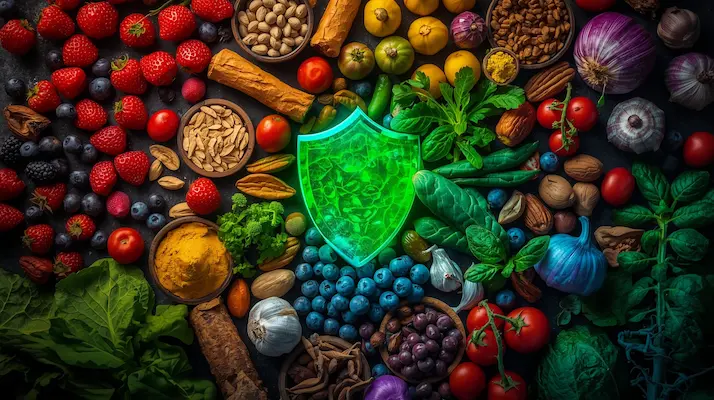
Where Food Becomes Function — and Every Ingredient Has a Purpose
Explore the powerful chemistry inside turmeric, ginger, cloves, and galangal
Indonesia stands as a vibrant archipelago of spice-rich culinary heritage, where ingredients such as turmeric, ginger, cloves, and galangal were long revered not only for flavour but for healing. Centuries of traditional kitchens and herbal remedies converge with the latest in molecular science, revealing how these spices harbour compounds that modulate oxidative stress, disrupt cell-damage pathways, and may influence cancer risk. At the intersection of culture, science and culinary creativity lies a unique opportunity: to bring Indonesian spice traditions into modern preventive nutrition—crafted by ALTAFNB, Konsultan F&B Premium Indonesia.
Ingredient Molecular Breakdown
- Turmeric (Curcuma longa)
Key compounds: Curcumin, demethoxycurcumin
Mechanisms: Curcumin is a multitarget phytochemical shown to modulate NF-κB, STAT3, AP-1 and inhibit angiogenesis and metastasis in various cell and animal models.
Evidence: A review points to curcumin as “a promising multitarget anticancer and antimetastatic agent”. - Ginger (Zingiber officinale)
Key compounds: Gingerol, shogaol
Mechanisms: These compounds reduce inflammatory markers (e.g., COX-2, TNF-α), inhibit proliferation of cancer cell lines and promote apoptosis.
Evidence: A review of spice-derived nutraceuticals identifies gingerol among agents that modulate multiple cancer-related pathways. - Cloves (Syzygium aromaticum)
Key compounds: Eugenol, acetyleugenol
Mechanisms: Eugenol has antioxidative and anti-inflammatory effects, and in vitro studies show inhibition of cancer-cell proliferation and induction of apoptosis. - Galangal (Alpinia galanga / similar rhizomes)
Key compounds: Galangin, kaempferol derivatives
Mechanisms: Emerging research identifies galangin among spice-derived compounds capable of modulating key cancer cell signalling (e.g., BCL-2/AKT) though human data remain limited.
Culinary Tradition Bridge
From the golden sauces of Java to the fragrant garem of Sumatra, Indonesian spice culture binds taste and health. Turmeric paints gulai and nasi uduk with sunlight; ginger flavours wedang jahe and herbal decoctions; cloves perfume rendang, soto, and traditional sweets; galangal adds its sharp, citrus-peppery edge to lodeh, tom yam and jamu. These culinary traditions embody more than flavour—they reflect centuries of empirical wisdom. Today, science confirms what these kitchens have known: the very rhizomes and bark that build cultural identity may also modulate cell biology. ALTAFNB bridges this heritage with precision nutrition.
Modern Research Summary
Studies reveal that spice-derived compounds regulate multiple molecular targets implicated in carcinogenesis: transcription factors (NF-κB, STAT3), kinases (EGFR, AKT), inflammatory mediators (COX-2, iNOS), apoptotic regulators (BCL-2, caspases) and oxidative stress markers. A systematic review on spices including turmeric, ginger and galangal finds their potential anti-cancer roles in gastric cancer models and beyond. Though human clinical trials remain limited, the convergence of ethnomedicine and molecular data is compelling.
However, it is important to note: the evidence is not sufficient to call these spices “treatments” for cancer—they are part of a preventive lifestyle.
Chef-Level Practical Application
Note: These methods reflect evidence-informed cooking practices. They do not substitute medical treatment.
A. Golden Turmeric & Ginger Spice Broth
Prep time: 5 minutes
Cook time: 12 minutes
Ingredients:
- 1 tsp (≈5 g) fresh grated turmeric
- 1 tsp (≈5 g) fresh grated ginger
- 4 cups (≈1 L) vegetable or bone broth
- 1 tsp coconut or olive oil
- Pinch black pepper (≈0.25 g)
Method:
- Bring broth to simmer (~90 °C),
- Stir in turmeric, ginger and oil, pinch black pepper,
- Simmer gently for 10 minutes, remove from heat and serve warm.
Chefs’ precision tip: Black pepper enhances curcumin absorption up to ≈20-fold in human studies, so its addition is a strategic step. Healthline
B. Quick Sauté with Clove & Galangal Essence
Prep time: 3 minutes
Cook time: 7 minutes
Ingredients:
- ½ tsp ground cloves (≈1 g)
- ½ tsp grated fresh galangal (≈2 g)
- 2 cups (≈200 g) mixed colourful vegetables (broccoli, carrots, red pepper)
- 1 Tbsp olive oil
- Salt & pepper to taste
Method:
- Heat oil to ~160 °C, add cloves and galangal, stir rapidly for 30 seconds,
- Add vegetables, sauté for 5–6 minutes until tender-crisp,
- Season and serve as side dish or topping for grains.
Precision tip: Quick heating helps retain volatile phenolic compounds rather than high-heat roasting which can degrade them.
C. Spice-Rich Indonesia Teh Ritual
Prep time: 1 minute
Brew time: 3 minutes
Ingredients:
- 2 thin slices fresh ginger (≈4 g)
- 200 mL water at ~80 °C
- Optional: ¼ tsp turmeric powder
Method:
- Pour hot water over ginger (and optional turmeric), steep for 3 minutes,
- Strain and sip warm.
Precision tip: Lower brew temperature preserves gingerol and other phenolics; avoid boiling for >5 minutes.
Safety & Contraindications (YMYL)
- Turmeric/curcumin: High doses may interfere with blood-thinners, bile duct obstruction or gallbladder disease. Wikipedia+1
- Ginger: May enhance bleeding risk in patients on anticoagulants or with peptic ulcers.
- Cloves: High-dose eugenol can affect liver enzymes; large amounts not recommended in pregnant women.
- Galangal: Limited human safety data—use moderate amounts.
- General: Spices support nutrition but do not replace cancer therapies—always consult oncologist or healthcare provider especially if undergoing treatment.
Who Benefits
- Adults with family history of cancer seeking dietary prevention;
- People living in high-pollution / high-stress environments prone to oxidative damage;
- Culinary professionals designing integrative menus merging culture and health;
- Anyone adopting plant-rich diet aiming for premium nutrition aligned with Indonesian spice heritage.
Lifestyle Integration
- Replace one weekly seasoning mix with turmeric-ginger base;
- Make a “warm evening ritual” drink of ginger or turmeric broth/tea;
- Use clove-galangal sauté as regular vegetable side dish 2–3 times/week;
- Commit to spice variety: rotate turmeric, ginger, galangal, cloves across meals;
- Pair spices with healthy fat (olive/coconut oil) and black pepper to enhance absorption.
Mini How-To
In one week:
- Monday: Turmeric-ginger broth for lunch
- Wednesday: Clove-galangal sauté with dinner
- Friday: Warm ginger tea instead of dessert
Repeat next week with variations (e.g., swap galangal for fresh turmeric paste). Track your energy, digestion & mood—not skincare or diagnosis; outcome is daily resilience.
Explore Related Guides
- Top Anti-Cancer Foods Backed by Scientific Research
Discover how specific plant compounds interfere with oxidative stress and cell damage. - Best Diabetes-Friendly Meals Inspired by Southeast Asian Cuisine
Meal patterns that reduce glycemic spikes without sacrificing flavor.
FAQ Indonesian spices that reduce cancer risk
Turmeric, ginger, cloves and galangal have the most research-backed bioactive compounds that modulate inflammation, oxidative stress, and abnormal cell growth.
Curcumin in turmeric suppresses NF-κB and other inflammatory pathways, reduces oxidative stress, and influences gene expression related to cell proliferation and apoptosis.
Studies show gingerol and shogaol can reduce inflammatory markers, slow cancer cell proliferation and stimulate apoptosis in several in vitro models.
Cloves contain eugenol, a strong antioxidant that neutralizes free radicals and has demonstrated anti-proliferative effects in laboratory cancer models.
Galangal contains galangin and kaempferol derivatives that show anti-proliferative effects in early lab studies. Human trials are limited but promising.
Use turmeric with black pepper and healthy fats, brew ginger at 80°C, sauté cloves and galangal lightly, and rotate these spices into daily meals.
No. These spices support preventive nutrition but cannot replace medical treatments or oncology care.
High doses of turmeric or ginger may increase bleeding risk; excessive clove oil may affect liver enzymes; galangal should be used moderately.
Premium ALTAFNB Conclusion
In the rich tapestry of Indonesian spice culture lies not just flavour—but potential nutritional armour. Modern molecular science affirms that turmeric, ginger, cloves and galangal carry bioactive compounds capable of influencing cancer-related pathways. As ALTAFNB – Konsultan F&B Premium Indonesia, we merge this heritage with elegant culinary strategy and scientific precision. By integrating these spices into your daily meals with intentionality and consistency, you align taste, culture and evidence in a premium nutrition journey. Excellence Served. Precision Delivered.
Ready to Elevate Your Culinary Lifestyle?
Explore science-based insights and chef-level strategies to transform your daily eating habits.
👉 Healthy Culinary Lifestyle Guide