
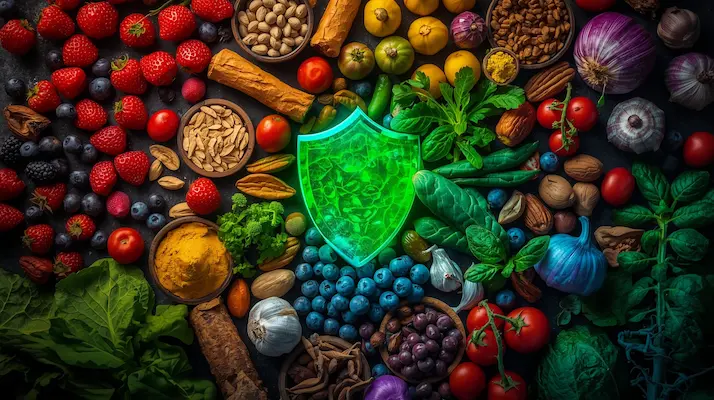
Where Food Becomes Function — and Every Ingredient Has a Purpose
Foods That Lower Blood Sugar Naturally (Asian Diet Edition)
Foods that lower blood sugar naturally are increasingly being explored as part of everyday eating patterns, especially among people looking to manage blood sugar without extreme dietary restrictions. In many Asian diets, this approach has existed for generations—built around whole grains, legumes, vegetables, herbs, and minimally processed ingredients that help slow glucose absorption and support insulin sensitivity.
Rather than relying on supplements or strict meal plans, these food choices are integrated into regular meals, making them practical for long-term dietary habits. This article looks at how commonly used Asian ingredients fit into blood sugar–conscious eating, based on real-world food practices rather than clinical meal replacement strategies.
This article is informed by insights from Ismail Fahmi, A.Md.Par., a food & beverage practitioner with over 25 years of experience working with ingredient selection, menu formulation, and dietary considerations in real restaurant settings.
His background includes hands-on exposure to Southeast Asian food cultures, where blood sugar–friendly ingredients are part of everyday cooking traditions rather than clinical theory.
Ingredient & Food-Type Breakdown
- Whole Grains, Legumes & Fiber-Rich Staples
Diets high in fibre and low in saturated fat improve insulin sensitivity in Asian populations.
For example, a high-fibre Asian diet (TAD) led to reduced insulin AUC (area under curve) even without major weight loss.
Low-glycemic index carbohydrate alternatives (whole grains, legumes) support insulin sensitivity. - Fish, Lean Protein & Healthy Fats
Higher fish intake and less saturated fat correlates with improved insulin sensitivity and lower post-meal glucose response in Asian cohorts.
Replacing refined carbs and excessive fats with lean protein + healthy fats supports glucose control. - Plant-Based Foods, Herbs & Spices
Plant-based foods rich in polyphenols, flavonoids and dietary fiber help glycaemic control and insulin function.
Green tea, for instance, has shown ability to reduce insulin resistance and improve glycaemic parameters in Asian populations.
Culinary Tradition Bridge
From the brown rice bowls of Okinawa to the soybean-based dishes of Japan, from Indian lentil dals to Indonesian tempeh and tofu stir-fries, Asian cuisines offer rich, balanced templates. These traditions often emphasise legumes, vegetables, fish and spices—naturally aligning with glucose-friendly structure. The challenge today: adapt these meals to retain authenticity but emphasise shared plate pattern, lower glycemic starch, higher fibre and protein ratio, and flavour-forward spice blends.
Modern Research Summary
Multiple studies across Asian populations reveal key patterns:
- In a Japanese cohort, dietary fibre and carbohydrate calories (negatively) and fat calories (positively) correlated with insulin secretion and sensitivity indices.
- Asian Indian review showed nutrient imbalances (low fibre/MUFA, high saturated fat/refined carbs) link to insulin resistance. Cambridge University Press & Assessment+1
- Plant-based diet reviews highlight that fruits, vegetables, herbs and spices rich in bioactives improve insulin sensitivity and glycaemic control.
In short: diet composition matters more than simply reducing calories—focus on low GI/GL carbs, high fibre, lean protein/fish, healthy fats, and bioactive-rich plants provides metabolic benefit.
Chef-Level Practical Application
A. Asian High-Fibre Legume Bowl
Prep time: 4 min · Cook time: 15 min
Ingredients:
- ½ cup cooked red lentils or mung beans
- 1 cup steamed leafy greens (bok choy, water spinach)
- 100 g grilled fish (mackerel or sardine)
- 1 tbsp sesame oil + lime juice dressing
Method:
- Cook legumes until tender (≈12 min).
- Steam greens for 3 minutes.
- Grill fish 4–5 minutes each side.
- Assemble bowl: legumes base, greens, fish, drizzle dressing.
Chef note: Combining legumes + fish + greens increases fibre/protein and healthy fats—key for insulin sensitivity.
B. Stir-Fry with Cauliflower Rice
Prep time: 3 min · Cook time: 8 min
Ingredients:
- 1 cup cauliflower rice
- 150 g tofu or tempeh
- 1 cup mixed vegetables (bell pepper, broccoli, snap peas)
- 1 tsp fresh ginger + garlic
- 1 tbsp olive oil
- Splash low-sodium soy sauce + chilli slice
Method:
- Sauté ginger/garlic in oil 30s.
- Add tofu/tempeh, stir 2 min.
- Add vegetables, stir 3 min.
- Add cauliflower rice + sauce, cook 2 min.
Chef note: Cauliflower rice dramatically lowers glycaemic load vs refined rice; tofu adds protein/fibre.
C. Green-Tea Spiced Vegetable Soup
Prep time: 2 min · Cook time: 10 min
Ingredients:
- 200 ml hot water (~80 °C)
- 1 tsp matcha or green tea leaves
- 1 cup mixed vegetables (zucchini, carrot, spinach)
- ½ tsp turmeric + black pepper
Method:
- Brew tea at 80 °C for 2 min.
Add vegetables and turmeric mixture, simmer 8 min.
Chef note: Green tea catechins plus turmeric support insulin sensitivity and may moderate glucose stability.
Safety & Contraindications
- These foods/supportive meals do not replace medical therapy for diabetes or insulin resistance.
- Monitor portion sizes: even whole grains and legumes impact glucose—adjust with your healthcare provider.
- Some spices/herbs (e.g., green tea extract) in high doses may interact with medications or liver function.
- People with kidney disease should moderate legume intake and consult dietitian.
- Fish high in mercury or deep-fried dishes should be avoided if metabolic syndrome present.
Who Benefits
- Individuals with pre-diabetes or type 2 diabetes seeking culturally aligned dietary patterns.
- Populations of Asian descent with increased insulin-resistance risk.
- Culinary professionals in Asia aiming to design menus for metabolic health.
- Anyone wanting to blend vibrant Asian cuisine with evidence-based glucose control nutrition.
Lifestyle Integration
- Use “plate rule”: ½ non-starchy vegetables, ¼ lean protein/legume, ¼ low-GI starch or substitute (e.g., cauliflower rice).
- Rotate whole grains (brown rice, red rice), legumes (mung bean, lentil), fish, tofu/tempeh and high-fibre veggies.
- Include green tea or spice-rich, unsweetened beverages instead of sugary drinks.
- Spice meals deliberately to minimise added sugar/salt but amplify flavour (ginger, turmeric, chilli, lemongrass).
- Track appetitive cues and post-meal glycaemia where possible to personalise food responses.
Mini How-To
This week:
- Day 1 lunch: Legume bowl with fish and greens
- Day 3 dinner: Tofu/tempeh stir-fry with cauliflower rice
- Day 5 snack/tea: Green-tea spiced vegetable soup instead of dessert
Reflect on hunger, energy levels, maybe glucose (if you monitor) and tweak next week.
Discover flavorful, culturally rooted meal patterns designed to reduce glycemic spikes without sacrificing taste. Read the full guide: Best Diabetes-Friendly Meals Inspired by Southeast Asian Cuisine
Dealing with inflammation?
Read our full breakdown of clinically-backed Asian ingredients here → Anti-Inflammatory Asian Foods You Should Eat Daily.
FAQ foods that lower blood sugar naturally
Whole grains, legumes, tofu, tempeh, green tea, leafy greens, bitter melon, and fish can help improve insulin sensitivity and reduce glucose spikes.
Yes. Brown rice, red rice, barley, and quinoa have lower glycemic impact than white or glutinous rice, resulting in more stable post-meal glucose.
Non-starchy vegetables like bok choy, spinach, water spinach, broccoli, and bitter melon help slow digestion and support glucose stability.
Green tea catechins may help reduce insulin resistance and improve post-meal glucose control when consumed regularly.
Yes. Soy-based proteins have low glycemic load and provide fibre and plant compounds beneficial for insulin sensitivity.
Lentils, mung beans, and chickpeas digest slowly, helping prevent rapid spikes in glucose.
No — but choose low-GI fruits like berries, apples, guava, or citrus and avoid sweetened processed fruit.
No. These foods support glucose control but do not replace medical therapy. Always follow healthcare guidance.
Premium ALTAFNB Conclusion
Asian diets have a profound advantage in metabolic health—they were built on tradition, balance and whole-food ingredients. With precise refinement, these heritage patterns become tools for improving insulin sensitivity and glucose control. At ALTAFNB – Konsultan F&B Premium Indonesia, we merge cultural authenticity with cutting-edge nutrition science to serve you not just flavourful meals, but meals that serve your metabolic wellbeing. Excellence Served. Precision Delivered.
Ready to Elevate Your Culinary Lifestyle?
Explore science-based insights and chef-level strategies to transform your daily eating habits.
Healthy Culinary Lifestyle Guide
Explore the Full Restaurant Knowledge Hub
Discover research-driven insights on prime cost, restaurant finance, operational systems, culinary nutrition, and applied health perspectives across modern food businesses.
Visit the Knowledge Hub