
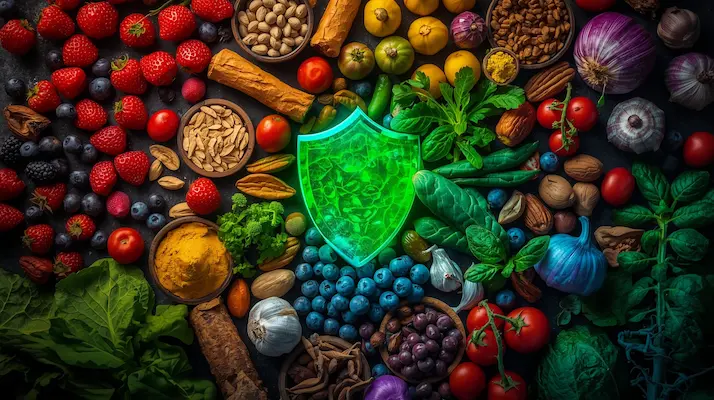
Where Food Becomes Function — and Every Ingredient Has a Purpose
Ingredients that help calm chronic inflammation based on clinical findings
From the vibrant kitchens of Asia — where turmeric glows in curries, green tea is poured in everyday rituals, and aromatic herbs are steeped for warmth — there lies a profound nutritional heritage. While traditional wisdom has long recognised the healing power of these foods, modern science now confirms it: certain Asian food ingredients actively modulate inflammation at the cellular and molecular level. Chronic low-grade inflammation is a silent driver of cardiovascular disease, diabetes, dementia and cancers.
This article reflects insights from Ismail Fahmi, A.Md.Par., a culinary practitioner with over 25 years of experience in food & beverage and traditional Asian food culture.
The perspective here blends practical kitchen knowledge with understanding of how ingredients and cooking techniques used across Asia can contribute to anti-inflammatory eating — not as medical advice, but as real food choices observed in everyday cooking environments.
Ingredient Molecular Breakdown
- Turmeric (Curcuma longa)
Key compound: Curcumin
Mechanism: Inhibits NF-κB, lowers IL-6 and TNF-α, reduces CRP levels, modulates COX-2 and iNOS expression. Evidence shows consistent anti-inflammatory potential.
Clinical note: Many studies are in vitro or animal-based; human clinical dosage standardisation still evolving. - Ginger (Zingiber officinale)
Key compounds: Gingerols, shogaols
Mechanism: Reduces pro-inflammatory cytokines (IL-1β, TNF-α), inhibits COX and LOX pathways, supports antioxidant enzyme activity.
Evidence: Traditional medicine and emerging studies confirm anti-inflammatory actions. - Green Tea (Camellia sinensis)
Key compounds: EGCG (epigallocatechin gallate), catechins
Mechanism: Suppresses inflammatory signalling (NF-κB, MAPK), lowers serum CRP, supports endothelial function. In Asian populations, regular tea intake correlates with lower inflammatory markers. - Leafy Greens & Asian Herbs (e.g., Bitter-melon, Water Spinach, Persicaria minor)
Key compounds: Polyphenols, flavonoids (kaempferol, quercetin), dietary fibre
Mechanism: Polyphenols inhibit oxidative stress and pro-inflammatory mediators; fibre supports gut health (microbiome) and reduces systemic inflammation. Studies show that high anti-inflammatory-diet scores link to better health outcomes. - Fermented Asian Foods (e.g., Kimchi, Tempeh, Miso)
Mechanism: Fermented foods promote gut microbial diversity; gut dysbiosis is a known driver of chronic inflammation. Regular intake of fermented Asian staples may help modulate low-grade systemic inflammation.
Culinary Tradition Bridge
In kitchens across Asia, spices like turmeric and ginger are not side notes — they define entire dishes. Green tea will often conclude a meal in East Asia. Leafy greens and herbs are served raw or lightly cooked in Indonesian “ulam”, Malaysian “kerabu”, Japanese “ohitashi”. Fermented plates such as Korean kimchi or Indonesian tempeh bring microbes, flavour and function to the table. These foods were born from culture, ceremony, and community. Now we transform them into daily tools for nutrition and inflammation-resilience, preserving flavour while elevating purpose.
Modern Research Summary
Literature indicates that dietary patterns low in pro-inflammatory compounds and high in polyphenols, fibre, lean proteins and healthy fats correlate with reduced levels of CRP (C-reactive protein), IL-6, TNF-α — all markers of chronic inflammation. For example:
- A 2025 cohort study found that older adults in China following high-anti-inflammatory diets had significantly lower odds of cognitive impairment and multimorbidity.
- A 2024 review in the British Journal of Nutrition emphasised that fruits and vegetables rich in polyphenolic compounds lie at the core of anti-inflammatory dietary strategies.
- Studies of traditional herbal medicines underline that many Asian herbs suppress pro-inflammatory pathways, though dose and standardisation remain research frontiers.
In sum: the data support that regular consumption of anti-inflammatory Asian foods can reduce the burden of chronic inflammation—but they complement, not replace, clinical management of disease.
Chef-Level Practical Application
Here are three daily culinary applications designed for anti-inflammatory effect, using Asian-inspired ingredients and methods.
A. Golden Turmeric & Green Tea Warm Elixir
Prep time: 2 min · Brew time: 3 min
Ingredients:
- 1 tsp fresh grated turmeric (≈5 g)
- 200 mL water at ~80 °C
- 1 green tea bag or 1 tsp loose leaf
- Pinch black pepper
- Optional: 1 tsp coconut oil
Method:
- Optional: 1 tsp coconut oil
- Heat water to ~80 °C.
- Steep green tea for 2 minutes; remove leaves/bag.
- Stir in turmeric, black pepper, coconut oil.
- Sip slowly in the evening.
Chef note: Black pepper enhances curcumin absorption; warm tone and gentle brew protect catechins.
- Sip slowly in the evening.
B. Leafy-Green & Herb Raw Salad with Ginger-Lime Dressing
Prep time: 5 min
Ingredients:
- 1 cup mixed leafy greens (water spinach, bok choy stems, kale)
- ¼ cup thinly sliced Persicaria minor ( Malaysian kesum ) or basil/mint
- Dressing: 1 tsp fresh grated ginger, 1 Tbsp lime juice, 1 tsp sesame oil, salt to taste
Method:
- Dressing: 1 tsp fresh grated ginger, 1 Tbsp lime juice, 1 tsp sesame oil, salt to taste
- Toss greens and herbs in a chilled bowl.
- Whisk dressing ingredients, pour over salad.
- Serve immediately.
Chef note: Raw vegetables preserve maximal polyphenols; ginger adds bioactive anti-inflammatory effect.
- Serve immediately.
C. Miso-Tempeh Stir-Fry with Mixed Vegetables
Prep time: 4 min · Cook time: 8 min
Ingredients:
- 100 g tempeh cubes
- 1 Tbsp light miso paste
- 1 cup mixed colourful vegetables (red pepper, broccoli, carrot)
- 1 tsp olive or sesame oil
- 1 garlic clove, minced
Method:
- 1 garlic clove, minced
- Heat oil, sauté garlic 30 s.
- Add tempeh, cook 3 min until golden.
- Add vegetables, stir 4–5 min.
Off heat, stir in miso paste dissolved in 1 Tbsp warm water.
Chef note: Fermented tempeh + miso create probiotic/anti-inflammatory synergy; vibrant vegetables provide antioxidants and fibre.
Safety + Contraindications
- These recommended foods support inflammation reduction but are not standalone treatments for inflammatory diseases (arthritis, auto-immune).
- Turmeric in high doses may interfere with anticoagulants and gallbladder issues—use moderation.
- Green tea in large quantities may impact sleep or iron absorption—monitor intake.
- Raw leafy greens are beneficial but for individuals on blood-thinning therapy or with thyroid issues (goitrogens) moderation recommended.
- Tempeh/miso are fermented soy foods—those with soy allergy or thyroid sensitivity should consult healthcare provider.
Who Benefits
- Individuals with chronic low-grade inflammation (overweight, metabolic syndrome, sedentary lifestyle).
- People of Asian heritage seeking culturally aligned anti-inflammatory nutrition.
- Culinary professionals designing menus for wellness restaurants, spa resorts or F&B concepts with health-forward positioning.
- Anyone who wants to combine flavourful Asian cuisine with evidence-based nutritional strategy.
Lifestyle Integration
- Make a daily ritual: start or end your day with a turmeric/tea elixir or herbal tea.
- Incorporate one raw herb-leaf salad or “ulam” style plate each day.
- Replace one meal per week with a fermented-soy + vegetable stir-fry.
- Rotation principle: don’t rely on one ingredient—turmeric today, ginger tomorrow, green tea another day.
- Pair anti-inflammatory ingredients with healthy fats (sesame oil, olive oil, coconut oil) to boost absorption of bioactives.
Mini How-To
This week’s challenge:
- Day 1 morning: Warm turmeric & green tea elixir
- Day 3 lunch: Leafy-herb salad with ginger-lime dressing
- Day 5 dinner: Miso-tempeh stir-fry
At end of the week, reflect on energy, digestion, mood, sleep pattern. Use journal or app to track how you feel.
- Day 5 dinner: Miso-tempeh stir-fry
Explore Related Guides
- Foods That Lower Blood Sugar Naturally (Asian Diet Edition)
Evidence-based foods that support insulin sensitivity and glucose control.
- Foods That Lower Blood Sugar Naturally (Asian Diet Edition)
- Healing Soups for Inflammation Relief (Backed by Studies)
Traditional broths and herbal soups with therapeutic benefits.
- Healing Soups for Inflammation Relief (Backed by Studies)
FAQ: Anti Inflammatory Asian Foods
1. What are the best Asian anti-inflammatory foods to eat daily?
Turmeric, ginger, green tea, leafy Asian greens (like water spinach and bitter melon leaves), and fermented foods such as kimchi, tempeh, and miso are among the most evidence-supported anti-inflammatory ingredients. These foods contain polyphenols, antioxidants, and gut-supportive compounds that modulate inflammation pathways.
2. How do these foods reduce inflammation in the body?
They work by targeting key inflammatory pathways such as NF-κB and COX-2, lowering inflammatory markers like IL-6, TNF-α, and CRP. Fermented foods also support a healthier gut microbiome, which plays a major role in systemic inflammation.
3. Can I replace medication with anti-inflammatory foods?
No, these foods support inflammation reduction but do not replace medical treatment for arthritis, auto-immune conditions, or chronic inflammatory diseases. They are best used as complementary nutrition.
4. How often should I consume these foods?
Daily small portions are ideal. For example:
Turmeric or ginger: 3–5 g fresh
Green tea: 1–2 cups
Leafy greens/herbs: 1 cup per meal
Fermented foods: a few tablespoons per day
Consistency matters more than large doses.
5. Are there people who should avoid turmeric, green tea, or fermented soy?
Yes.
Turmeric: people on blood thinners or with gallbladder issues.
Green tea: those sensitive to caffeine or with iron absorption issues.
Fermented soy (tempeh/miso): those with soy allergy or thyroid dysfunction.
Consult a healthcare provider if unsure.
6. Do I need supplements like curcumin capsules?
Whole foods offer a safer and more balanced anti-inflammatory profile. Supplements may be useful for specific conditions, but require medical supervision because high concentrations can affect medication interactions and liver function.
7. Are Asian anti-inflammatory foods suitable for weight loss?
Yes—indirectly. They support better metabolism, reduce gut inflammation, improve digestion, and help stabilise appetite, which together contribute to healthier weight regulation.
8. Can I drink turmeric and green tea together?
Yes, and the combination is beneficial. Black pepper enhances curcumin absorption, while green tea catechins provide antioxidant synergy. Just avoid drinking late at night if sensitive to caffeine.
9. Are raw Asian herbs really more effective than cooked?
Raw herbs like basil, mint, and Persicaria minor retain higher polyphenol content, but light cooking (like quick stir-fry) is still nutritious. The key is variety: mix raw and lightly cooked preparations.
10. How fast can I feel improvement after adding these foods?
Most people notice changes in digestion, energy, and bloating within 1–2 weeks, but chronic inflammation markers take longer. The goal is long-term dietary pattern, not instant results.
Premium ALTAFNB Conclusion
Disabled by chronic inflammation? Asia’s richest culinary traditions offer a sophisticated solution. Through turmeric, ginger, green tea, leafy herbs and fermented staples, you can craft everyday meals that do more than satisfy taste—they silence inflammation. At ALTAFNB – Konsultan F&B Premium Indonesia, we deliver flavour, culture and science in one plate. Excellence Served. Precision Delivered.
Ready to Elevate Your Culinary Lifestyle?
Explore science-based insights and chef-level strategies to transform your daily eating habits.
👉 Healthy Culinary Lifestyle Guide