
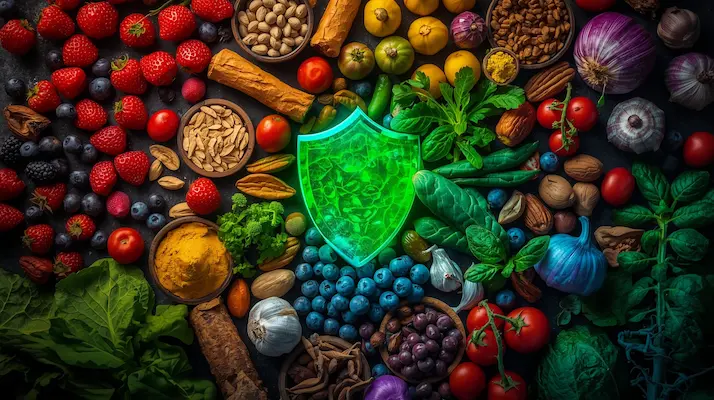
Where Food Becomes Function — and Every Ingredient Has a Purpose
Data-driven foods that reinforce your immune system
Across Asian food cultures—whether it’s Korean kimchi, Japanese miso soup, Indonesian tempeh or Indian dals—there is a deep tradition of viewing food as more than just nourishment. They are rituals of health, flavour and community. Modern science, including insights from Harvard Health Publishing, reinforces this view: a diet rich in whole foods and plant-based nutrients supports—but does not “boost”—immune resilience. At ALTAFNB – Konsultan F&B Premium Indonesia, we merge flavour, precision nutrition, and cultural authenticity to guide you through “functional foods” that support immune pathways. Excellence Served. Precision Delivered.
Ingredient & Food-Type Breakdown
- Micronutrients & Phytochemicals Supporting Immunity
Vitamins C, E, A, beta-carotene, zinc and selenium found in fruits, vegetables, nuts, seeds and legumes are essential for immune cell function.
Plant-derived compounds (polyphenols, flavonoids, flavanones) in food help modulate oxidative stress and support immune responses. - Healthy Dietary Patterns Over Single “Superfoods”
Harvard emphasizes: “There are no convincing evidence that any single food meaningfully improves immune function in healthy people — it’s the overall diet quality that matters.”
Key patterns: high in fruits & vegetables, whole grains, lean protein, minimal ultra-processed foods.
Culinary Tradition Bridge
Consider the Indonesian tempeh stir-fry, Korean vegetable side dishes, Japanese green tea rituals—these meals integrate nutrient-rich plants, legumes, herbs and fermented foods. By choosing ingredients with evidence-based immune support (e.g., mushrooms, garlic, colourful vegetables, nuts) and preserving their integrity through minimal processing, we honour tradition and harness functional nutrition.
Modern Research Summary
- Harvard’s quick-start guide emphasises: “Eat a diet high in fruits and vegetables and whole grains; limiting saturated fat and sugar helps immune function.”
- A systematic review in PMC concluded that plant-based foods rich in β-carotene, vitamin C, E and bioactives show positive effects for immune function and inflammatory regulation.
- Harvard Health’s “foods that fight inflammation” article lists fruits, green leafy vegetables, nuts, fatty fish as key for reducing inflammation (which is closely linked to immune function).
Thus, while “boost immunity” is a popular phrase, the science indicates optimising immune support through dietary patterns—not chasing a single “superfood”.
Chef-Level Practical Application
A. Colour-Rich Immune Bowl
Prep time: 5 min · Cook time: 12 min
Ingredients:
- 1 cup mixed berries (blueberries + strawberries)
- 2 cups leafy greens (kale + spinach)
- ¼ cup chopped almonds
- 1 Tbsp olive oil + 1 Tbsp lemon juice
Method: Combine berries and greens, sprinkle almonds, drizzle dressing.
Chef note: Berries provide vitamin C and polyphenols; almonds give vitamin E + healthy fats; greens supply fibre + micronutrients.
B. Garlic-Mushroom Fermented Tofu Stir-Fry
Prep time: 4 min · Cook time: 8 min
Ingredients:
- 100 g firm tofu (fermented if possible)
- 1 cup mixed mushrooms (shiitake + oyster)
- 2 garlic cloves, minced
- 1 Tbsp sesame oil + 1 Tbsp soy sauce
Method: Sauté garlic in oil 30 s; add mushrooms 3 min; add tofu 2 min; finish with soy sauce.
Chef note: Fermented tofu + mushrooms = immune-supportive combo; garlic adds sulfur compounds.
C. Green Tea & Ginger Immune Elixir
Prep time: 2 min · Brew time: 3 min
Ingredients:
- 200 mL hot water (~80 °C)
- 1 tsp green tea leaves or bag
- 1 slice fresh ginger (~4 g)
Method: Brew tea with ginger, steep 3 min, sip slowly.
Chef note: Catechins + gingerols = gentle functional drink—supports immune readiness.
Safety & Contraindications (YMYL)
- These foods support immune function but are not substitutes for vaccinations, treatments or medical care. Harvard emphasizes this clearly.
- Supplements or high-dose “immune-boosting” products often lack evidence—food patterns matter more.
- Individuals with allergies (nuts, soy, mushrooms) or on immunosuppressants should consult professional.
- Overconsumption of any single food does not equate to better immunity—balance and variety remain key.
Who Benefits
- Individuals seeking to strengthen baseline immune resilience through nutrition.
- Culinary professionals designing menus for wellness hospitality, F&B in Asia.
- Adults vulnerable to nutrient deficiency or looking for culturally aligned functional foods.
- Anyone wanting to merge flavour, tradition and evidence-based immune support.
Lifestyle Integration
- Prioritise at least 5 distinct colours of whole foods per day (vegetables/fruits/nuts/seeds).
- Include a fermented food (tempeh, miso, kimchi) 2–3 times/week to support gut microbiome—an important immune modulator.
- Replace one snack with a functional bowl (berries+greens+almonds) or a functional drink (green tea+ginger).
- Maintain good lifestyle foundations: sleep, stress management, physical activity—Harvard emphasizes these.
Mini How-To
This week:
- Day 1 morning: Colour-Rich Immune Bowl for breakfast or snack
- Day 3 lunch: Garlic-Mushroom Fermented Tofu Stir-Fry for dinner
- Day 5 evening: Green Tea & Ginger Immune Elixir instead of dessert
At end of week: reflect on energy, digestion, immune health markers (if tracking)—and adjust next week.
Explore Related Guides
1. Best Fruits & Vegetables to Reduce Inflammation (Clinical Evidence)
A colorful, science-backed list of anti-inflammatory produce proven to lower chronic inflammation naturally.
2. Foods to Avoid for Diabetes: Southeast Asian Guide
Culturally relevant nutrition advice based on clinical principles to help manage blood sugar effectively.
FAQ: functional foods to boost immunity
Berries, leafy greens, mushrooms, fermented foods, citrus, garlic, nuts, and green tea contain nutrients and bioactives that support immune function.
Harvard emphasizes overall diet quality—rich in fruits, vegetables, whole grains, and healthy fats—over single “superfoods,” but highlights berries, leafy greens, nuts, and fish.
Yes. Fermented foods like kimchi, tempeh, and miso support gut microbiome balance, which is closely linked to immune resilience.
Mushrooms provide beta-glucans and antioxidants that support immune cell activity and reduce oxidative stress.
Green tea catechins (especially EGCG) help reduce inflammation and support immune cell regulation.
Garlic contains sulfur compounds like allicin that show antimicrobial and immune-supportive benefits in studies.
No. They support immune health but do not replace vaccinations, medications, or clinical care.
Aim for daily intake of colourful fruits, vegetables, herbs, nuts, and fermented foods—Harvard emphasizes consistency.
Ready to Elevate Your Culinary Lifestyle?
Explore science-based insights and chef-level strategies to transform your daily eating habits.
👉 Healthy Culinary Lifestyle Guide