
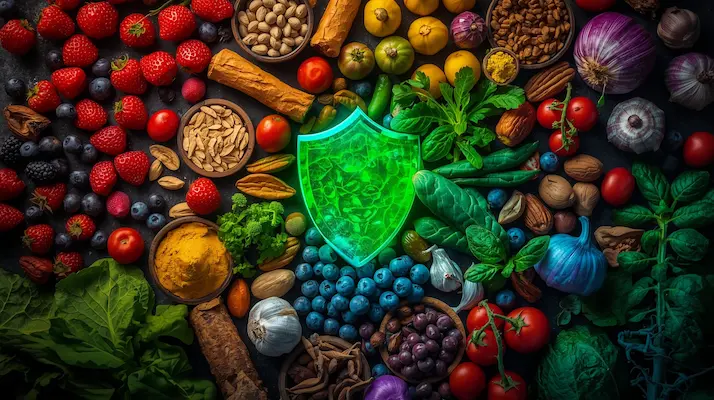
Where Food Becomes Function — and Every Ingredient Has a Purpose
A colorful list of anti-inflammatory produce from nature
Across Asian markets, vibrant produce stalls burst with colours—deep purple berries, fiery red tomatoes, verdant leafy greens, golden mangoes. These fruits and vegetables not only enchant the senses, they carry an ancestral promise: food as medicine. Modern clinical science now underpins this cultural wisdom, showing that higher intake of fruits and vegetables correlates with lower levels of inflammatory biomarkers like CRP and TNF-α. At ALTAFNB – Konsultan F&B Premium Indonesia, we intertwine culinary elegance with molecular precision to present produce that delights the palette and calms the body. Excellence Served. Precision Delivered.
Ingredient & Produce Breakdown
- Whole fruit & vegetable consumption
A meta-analysis of 83 clinical and observational studies found that fruit and/or vegetable intake significantly reduced circulating CRP and TNF-α levels. Consistent consumption of a “rainbow” of produce is linked to improved inflammatory profiles.
- Specific food groups & phytochemicals
Berries (blueberries, strawberries, cherries): Anthocyanins, ellagic acid—associated with lower inflammation.
Leafy greens (spinach, kale, water spinach): Rich in vitamin K, polyphenols; vitamin K-rich veggies linked to reduced inflammatory markers.
Bright-coloured vegetables & fruits (tomatoes, bell peppers, citrus): Carotenoids, flavonoids, vitamin C – all play roles in reducing oxidative stress and inflammation.
Culinary Tradition Bridge
Think of an Indonesian “ulam” platter—raw basil, water spinach, sliced mango. In Thai cuisine, vibrant papaya salad (som tam) pairs pungent green papaya, chilli and lime. In Japan, spinach gomae harnesses greens with sesame sauce. These dishes celebrate vegetables and fruits—naturally, vibrantly, daily. By selecting produce for anti-inflammatory impact and preparing them with light cooking or fresh formats, we respect tradition while elevating their health potential.
Modern Research Summary
Research highlights:
- Fruit and vegetable intake—especially in higher servings—correlates with reduced systemic inflammation.
- Health institution guidance (e.g., Harvard Health Publishing) lists berries, oranges, leafy greens as key anti-inflammatory foods.
- Pattern matters: the quantity, variety and colour of produce affect the diversity of bioactive compounds available to regulate immune responses. Mayo Clinic Health System
While specific RCTs for each produce item may still be limited, the overall body of evidence is robust enough to recognise fruits and vegetables as cornerstone components of anti-inflammatory eating.
Chef-Level Practical Application
Here are three refined ways to incorporate anti-inflammatory produce into daily meals:
A. Berry-Leaf Rainbow Salad
Prep time: 5 min
Ingredients: 1 cup mixed berries (blueberries + strawberries), 2 cups mixed leafy greens (spinach + kale), ½ cup sliced citrus (orange or grapefruit), 1 Tbsp chopped nuts, 1 Tbsp olive oil, 1 Tbsp balsamic vinegar.
Method: Combine berries & fruits in chilled bowl, add greens, toss with nuts and dressing.
Chef note: Fresh presentation preserves anthocyanins and flavonoids. The contrast of sweet berries and tangy citrus emphasises flavour while boosting polyphenol diversity.
B. Colourful Stir-Fry of Bell Peppers & Tomatoes
Prep time: 3 min · Cook time: 4 min
Ingredients: ½ cup sliced red bell pepper, ½ cup yellow bell pepper, 1 cup cherry tomatoes, 1 tsp olive oil, 1 garlic clove minced, 1 tsp fresh basil.
Method: Heat oil lightly, sauté garlic for 30 s, add peppers and tomatoes, stir-fry ~3–4 min until slightly tender. Finish with fresh basil.
Chef note: Quick cooking preserves carotenoids/phytonutrients. Colour variety (red, yellow, green) signals varied phytochemicals.
C. Warm Greens & Root Vegetable Soup
Prep time: 5 min · Cook time: 15 min
Ingredients: 4 cups vegetable broth, 1 cup chopped kale or water spinach, ½ cup diced carrots, ½ cup cubed sweet potato, 1 tsp grated ginger, 1 tsp turmeric powder.
Method: Bring broth to simmer, add vegetables and ginger/turmeric, cook 12–15 min until tender, blend if desired.
Chef note: Combining greens, orange root vegetable (beta-carotene), and anti-inflammatory spices provides layered benefit in one bowl.
Safety & Contraindications (YMYL)
- These foods support anti-inflammatory nutrition but do not replace treatment for autoimmune disorders, chronic inflammatory diseases, or medical conditions.
- Some individuals may have allergies or sensitivities (e.g., nuts in the salad).
- Consuming very high amounts of certain foods (e.g., spinach high in vitamin K) may affect anticoagulant medication—consult healthcare provider.
- Portion size and cooking method matter: excessive sugar-rich fruits or deep-fried vegetables can offset benefit.
Who Benefits
- Individuals experiencing chronic low-grade inflammation (metabolic syndrome, obesity, early arthritis).
- People seeking to enhance diet quality with colourful produce and evidence-based nutrition.
- Culinary professionals designing menus based on “food-as-medicine” frameworks.
- Anyone wanting to integrate vibrant, culturally rich produce into daily meals while supporting health.
Lifestyle Integration
- Aim for a “colour target” each meal: at least 3 colours of fruits/vegetables (e.g., red tomatoes, orange peppers, green leafy greens).
- Use raw and lightly cooked formats to preserve phytonutrients.
- Make produce the star: design the meal around vegetables + fruits instead of as side dishes.
- Keep a “rainbow list” of seasonal fruits and vegetables and rotate weekly to maximize diversity.
- Replace processed snacks with fruit bowls or vegetable crudités 2–3 times per week.
Mini How-To
This week:
- Day 2 lunch: Berry-Leaf Rainbow Salad with nuts & olive oil.
- Day 4 afternoon snack: Mixed coloured bell pepper sticks + hummus.
- Day 6 dinner: Warm Greens & Root Vegetable Soup with ginger/turmeric.
At end-of-week, reflect: Did you feel any shift in digestion, energy, mood, or recovery from exercise?
Explore Related Guides
- Healing Soups for Inflammation Relief (Backed by Studies)
Traditional broths and herbal soups with therapeutic benefits. - Functional Foods to Boost Immunity: Harvard-Based Insights
Data-driven foods that reinforce your immune system.
FAQ fruits and vegetables to reduce inflammation
Berries, cherries, citrus fruits, tomatoes, and grapes contain antioxidants such as anthocyanins and vitamin C that help reduce inflammatory markers.
Leafy greens, kale, spinach, water spinach, carrots, sweet potatoes, and bell peppers are rich in polyphenols and carotenoids linked to lower inflammation.
Yes. Studies show berries reduce oxidative stress and lower CRP and TNF-α due to their high anthocyanin content.
They contain vitamins K, C, flavonoids, and fibre that help reduce inflammatory signaling and support immune system balance.
Tomatoes contain lycopene, a powerful antioxidant associated with lower inflammation and oxidative stress.
Most fruits offer maximal antioxidants when eaten raw, while some vegetables like carrots and tomatoes release more carotenoids when gently cooked.
No. Fruits and vegetables support overall health but do not replace prescribed treatments.
Aim for 5–7 servings daily with at least 3 colors per meal to maximize phytochemical diversity.
Premium ALTAFNB Conclusion
Nature’s pantry offers far more than flavour—it offers function. Fruits and vegetables are not mere side dishes—they are powerful tools in the fight against chronic inflammation. By weaving colour, culture and clinical evidence into your daily plates, you align your diet with precision nutrition. At ALTAFNB – Konsultan F&B Premium Indonesia, we raise the standard: vibrant produce meeting robust science, served daily. Excellence Served. Precision Delivered.
Ready to Elevate Your Culinary Lifestyle?
Explore science-based insights and chef-level strategies to transform your daily eating habits.
👉 Healthy Culinary Lifestyle Guide