
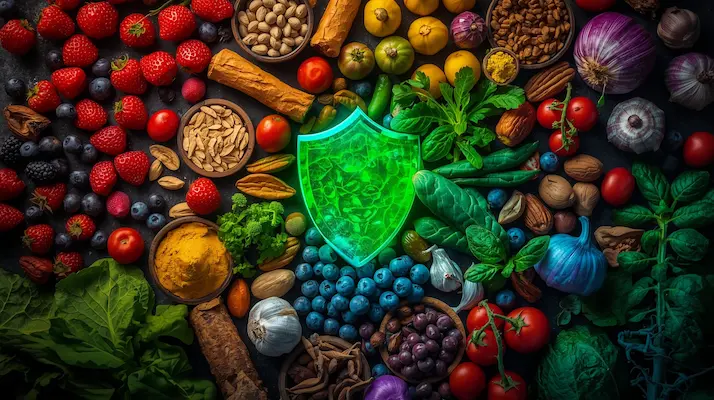
Where Food Becomes Function — and Every Ingredient Has a Purpose
Meal patterns that reduce glycemic spikes without sacrificing flavor
In the heart of Southeast Asia lies a culinary tapestry rich in flavour, aroma, and tradition. Dishes from Indonesia, Malaysia, Thailand, Vietnam, and the Philippines are vibrant canvases of fragrant herbs, bold spices, fragrant rice steams, and tropical produce. Yet in the modern era of rising metabolic diseases, including type 2 diabetes, that same culinary heritage must evolve—not by sacrificing taste, but by precision nutrition. Science now shows that meal composition and pattern are just as important as ingredients: the glycemic index (GI) and glycemic load (GL) of foods we eat impact post-meal blood sugar spikes. At ALTAFNB – Konsultan F&B Premium Indonesia, we fuse Southeast Asia’s culinary richness with evidence-based strategies to craft meals that delight the palate and support metabolic health. Excellence Served. Precision Delivered.
This article reflects practical culinary insights from Ismail Fahmi, A.Md.Par., a culinary practitioner with over 25 years of hands-on experience in food & beverage operations and Southeast Asian cooking traditions.
The perspective here goes beyond lists of ingredients — it focuses on how regional dishes can be prepared mindfully, balancing flavor with choices that align with a diabetes-aware lifestyle, informed by observation and adaptation in real kitchen environments.
Ingredient & Meal Component Breakdown
Carbohydrate Quality & Glycemic Load
Numerous studies confirm that diets high in refined rice, noodles and polished starches contribute to elevated glycemic responses in Southeast Asian populations. A Ghana-style review noted that higher GI diets were associated with higher diabetes risk.
In a detailed GI/GL study of Southeast Asian traditional foods, some staples had low GI (≤55), but many were high GI (≥70)—such as glutinous rice dishes—highlighting the need for smarter carbohydrate choices.
Protein & Healthy Fat Inclusion
Meals that include lean proteins (fish, tofu, chicken), healthy fats (coconut, olive, nuts) and fibre slow gastric emptying and blunt the glucose surge. This supports the idea of replacing high-glycemic staples with lower glycemic options and mixed meals.
Vegetable & Fibre-Rich Components
High-fibre vegetables common in Southeast Asia—bitter melon, water spinach, green beans—have low carb density and help moderate glycemic peaks by slowing digestion. Incorporating these into staple meals is both tradition and smart nutrition.
Culinary Tradition Bridge
Think of the Thai “nam prik” platter: raw and steamed vegetables dipped into spicy chilli-lime paste. Think of Indonesian “sayur lodeh” with abundant vegetables and coconut milk. Malaysian “nasi kerabu” uses blue rice and abundant herbs. These traditions embody balance: starch, veg, protein, spice. By tweaking components—choosing whole-grain rice, increasing veg ratios, reducing refined carbs—the same beloved dishes become diabetes-friendly without losing cultural authenticity.
Modern Research Summary
Recent narrative reviews emphasise that culturally tailored dietary interventions improve glycaemic control in South/Southeast Asian populations. A meta-analysis of non-Western foods underscores that replacing high-GI staples with low-GI alternatives improves post-prandial glucose and reduces insulin demand.
For example:
- Lowering GI/GL in rice-based meals leads to reduced glucose excursions and may slow diabetes progression.
- Choice of carbohydrate type, portion size, and meal composition (including protein/fat/fibre) matter for diabetes outcomes.
Therefore, Southeast Asian cooking—renowned for abundant vegetables, herbs and flavour—offers a potent platform for diabetes-friendly meal design.
Chef-Level Practical Application
Here are three meal patterns crafted with Southeast Asian flavours and glycaemic-smart structure:
A. Balanced Nasi Merah Bowl (Indonesia-Inspired)
Prep time: 5 min | Cook time: 20 min
Ingredients:
- ½ cup cooked brown/red rice (instead of white)
- 100 g grilled chicken breast, seasoned with turmeric & galangal
- 1 cup steamed water spinach (kangkung)
- ½ cup diced cucumber & tomatoes
- 1 tbsp sambal (homemade, minimal sugar)
- 1 tsp coconut oil drizzle
Method:
- 1 tsp coconut oil drizzle
- Cook brown/red rice to al dente (≈20 min).
- Grill seasoned chicken; slice.
- Steam vegetables 3 min; raw cucumber/tomato for freshness.
- Assemble bowl: rice base, chicken, veg mix, sambal, oil drizzle.
Chef note: Using whole-grain rice & lean protein increases fibre/protein ratio, moderating glycaemic load.
- Assemble bowl: rice base, chicken, veg mix, sambal, oil drizzle.
B. Thai Vegetables & Tofu Stir-Fry with Cauliflower Rice
Prep time: 7 min | Cook time: 8 min
Ingredients:
- 1 cup cauliflower rice (grated raw cauliflower)
- 150 g firm tofu cubes
- 1 cup mixed vegetables (bell pepper, snap peas, carrots)
- 1 tbsp olive oil
- 1 tsp fish sauce + lime juice
- 1 tsp fresh ginger & garlic
Method:
- 1 tsp fresh ginger & garlic
- Heat oil, sauté garlic & ginger 30 s.
- Add tofu cubes, stir-fry 2 min.
- Add mixed veg, stir 3–4 min until crisp-tender.
- Add cauliflower rice, fish sauce, lime; stir 1–2 min.
Chef note: Cauliflower rice has very low GI/GL vs white rice; combined with tofu and veggies, it transforms the meal into diabetes-friendly without losing Asian flavour.
- Add cauliflower rice, fish sauce, lime; stir 1–2 min.
C. Malaysian Spiced Lentil & Veg Curry + Whole-Grain Roti
Prep time: 8 min | Cook time: 15 min
Ingredients:
- ½ cup red lentils (rinsed)
- 1 cup chopped spinach & okra
- 1 tbsp coconut milk (light)
- 1 tsp curry powder, turmeric, cumin
- 1 whole-grain roti or chapati
Method:
- 1 whole-grain roti or chapati
- Simmer lentils in water 8 min until just tender.
- Add vegetables & coconut milk; cook 5 min.
- Season; serve with warm whole-grain roti.
Chef note: Lentils are low-GL legumes; paired with whole-grain roti and vegetables create a meal with balanced carbs, protein/fibre and flavour.
- Season; serve with warm whole-grain roti.
Safety + Contraindications
- Individuals with diabetes must monitor carbohydrate intake and adjust medications accordingly—meal design is supportive but not a substitute for clinical care.
- Choose portions aligned with your individual carbohydrate targets (consult dietitian).
- Avoid hidden sugars in sauces or condiments (common in Southeast Asian recipes).
- People on insulin or sulfonylureas should monitor for hypoglycemia when reducing staple carbs.
- Whole-grain substitutions (brown rice, whole wheat roti) may still raise blood glucose in some individuals—always test responses.
Who Benefits
- People living with type 2 diabetes seeking culturally appropriate meal options.
- Pre-diabetic individuals aiming for glycaemic-smart eating within Southeast Asian cuisine.
- Culinary professionals designing menus for metabolic health and flavour.
- Food service in Southeast Asia or diaspora markets targeting premium nutrition-driven offerings.
Lifestyle Integration
- Use the “plate ratio” method: ½ non-starchy vegetables, ¼ lean protein/legume, ¼ moderate whole-grain/starchy base.
- Rotate staple grains: brown rice, wild rice, barley, quinoa rather than polished white rice and refined flour.
- Build weekly meal patterns: 2–3 plant-forward meals, 1 fish/lean meat, one legume-based meal.
- Use traditional herbs & spices (turmeric, ginger, galangal, lemongrass) to enhance flavour—enabling reduced sugar/salt.
- Test blood glucose post-meal (when possible) to gauge personal response and refine portion size.
Mini How-To
This week:
- Day 1: Nasi Merah Bowl at lunch
- Day 3: Thai Veg & Tofu Stir-Fry for dinner
- Day 5: Lentil Veg Curry with Whole-Grain Roti
- Day 7: Reflect: How was your energy? Hunger? Blood sugar (if you track)? Adjust next week.
Explore Related Guides:
- Indonesian Spices Scientifically Proven to Reduce Cancer Risk
Explore the powerful chemistry inside turmeric, ginger, cloves, and galangal.
- Indonesian Spices Scientifically Proven to Reduce Cancer Risk
- Foods That Lower Blood Sugar Naturally (Asian Diet Edition)
Evidence-based foods that support insulin sensitivity and glucose control.
- Foods That Lower Blood Sugar Naturally (Asian Diet Edition)
FAQ: Diabetes Friendly Southeast Asian Meals
1. What makes a Southeast Asian meal diabetes-friendly?
Diabetes-friendly meals balance carbohydrates, protein, fat, and fibre. Using whole grains, vegetables, lean proteins, and minimal sugar helps reduce post-meal glucose spikes.
2. Are Southeast Asian dishes naturally suitable for diabetes?
Many traditional dishes already rely on vegetables, herbs, fish, and legumes — making them excellent foundations for diabetes-friendly meals when refined carbs and added sugars are reduced.
3. What rice is best for managing blood sugar levels?
Brown rice, red rice, wild rice, and cauliflower rice have lower glycemic impact compared to white or glutinous rice.
4. Do noodles raise blood sugar quickly?
Regular wheat or rice noodles have a high glycemic index. Alternatives like shirataki, konjac, vegetable noodles, or whole-grain noodles are better options.
5. Which Southeast Asian ingredients help stabilize blood sugar?
Ingredients like tofu, lentils, bitter melon, ginger, turmeric, and leafy greens can help slow digestion and reduce glucose spikes.
6. Can I still enjoy curries if I have diabetes?
Yes. Choose curries rich in vegetables and protein while reducing added sugar and keeping coconut milk moderate. Pair with whole-grain or lower-GI staples.
7. How can I make sambal diabetes-friendly?
Use fresh chilis, lime, garlic, and minimal sugar. Avoid sweet bottled sambal, which often contains high sugar content.
8. Do portion sizes matter even if the meal is healthy?
Yes. Even healthy carbs can raise glucose if eaten in large amounts. Balanced portioning improves post-meal blood sugar control.
Premium ALTAFNB Conclusion
Southeast Asia’s culinary heritage is a treasure trove of flavour, yet in the era of metabolic risk, we must advance beyond tradition—not by abandoning taste, but by elevating it with precision nutrition. By redesigning meals with whole-grain alternatives, legumes, vibrant vegetables and smart carbohydrate portioning, you can enjoy vibrant cuisine while significantly moderating glycaemic response. At ALTAFNB – Konsultan F&B Premium Indonesia, we believe that pursuing flavour and health is not optional—it is the standard. Excellence Served. Precision Delivered.
Ready to Elevate Your Culinary Lifestyle?
Explore science-based insights and chef-level strategies to transform your daily eating habits.
Healthy Culinary Lifestyle Guide
Explore the Full Restaurant Knowledge Hub
Discover research-driven insights on prime cost, restaurant finance, operational systems, culinary nutrition, and applied health perspectives across modern food businesses.
Visit the Knowledge Hub